

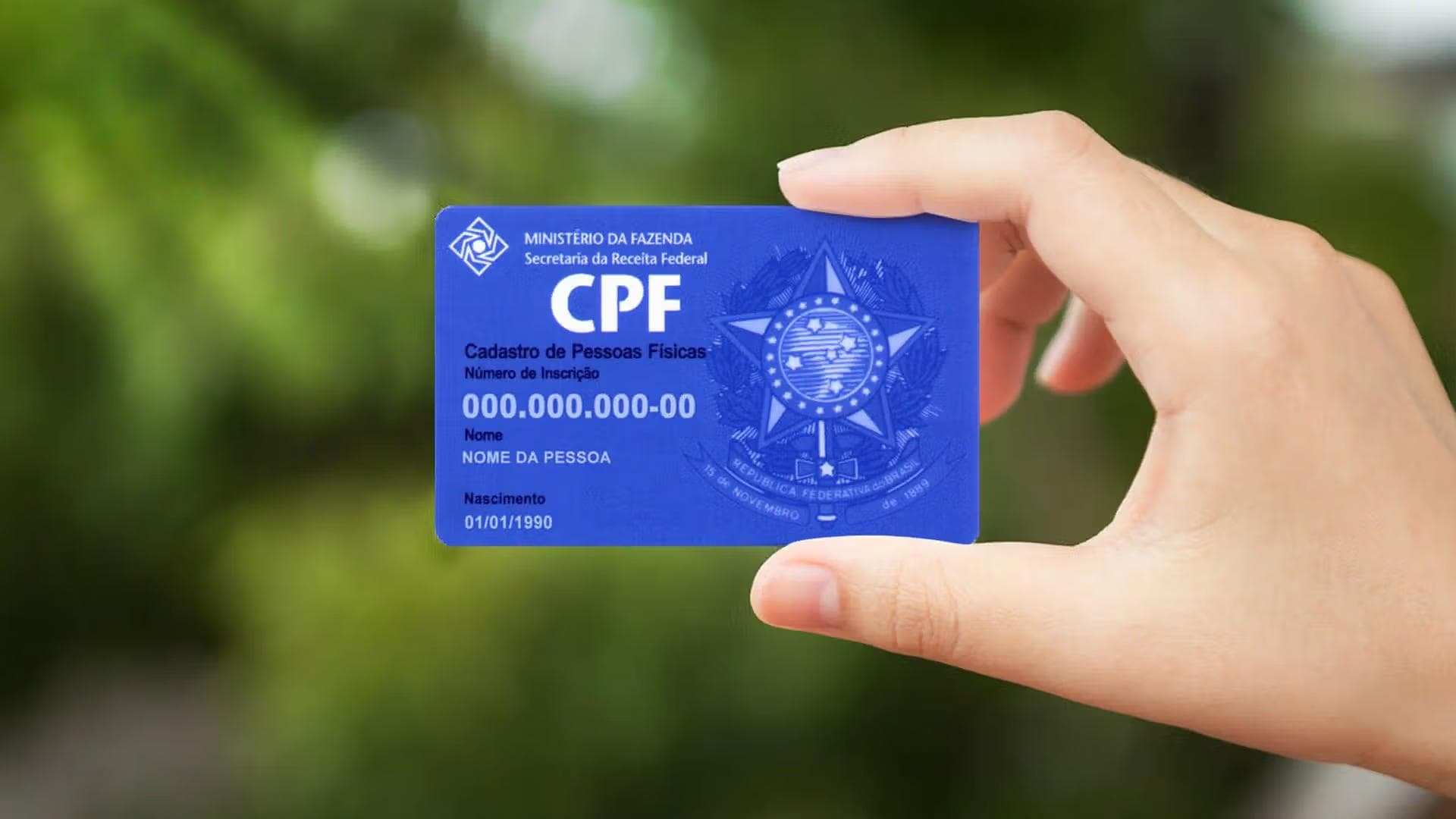
The Cadastro de Pessoas Físicas (CPF) is Brazil's national individual taxpayer registry, administered by the Secretaria Especial da Receita Federal do Brasil, the country's federal revenue authority, equivalent to the IRS in the United States. Each person receives one unique 11-digit number that lasts a lifetime. Foreigners are fully eligible to obtain one, and in many situations they are legally required to do so.
Why do I need one?
The CPF touches virtually every formal transaction in Brazilian life. Here are the most common situations where you will need one:
- Banking: Every Brazilian bank — Itaú, Bradesco, Caixa, Banco do Brasil — requires a CPF to open any account, credit card, or investment product.
- PIX & Money Transfers: PIX (Brazil's instant payment network) is the lifeblood of the modern Brazilian economy and requires a CPF.
- Access to Digital Services: Most of the service apps in Brazil require a CPF for account creation, like food delivery (iFood and 99 Food) and some transportation apps like 99.
- Property: Buying, selling, or renting real estate legally requires a CPF on all documentation, including utility connections and rental agreements.
- Business: Registering a company, signing contracts, or issuing invoices all demand a CPF from the owner or legal representative.
- Tax obligations: Under Article 4 of IN RFB Nº 2.172/2024, any foreigner earning income from Brazilian sources — salary, rent, investments, or freelance payments — is legally required to hold a CPF.
- Everyday services: Mobile phone contracts, internet plans, vehicle purchases, and healthcare registration all routinely ask for a CPF number.