

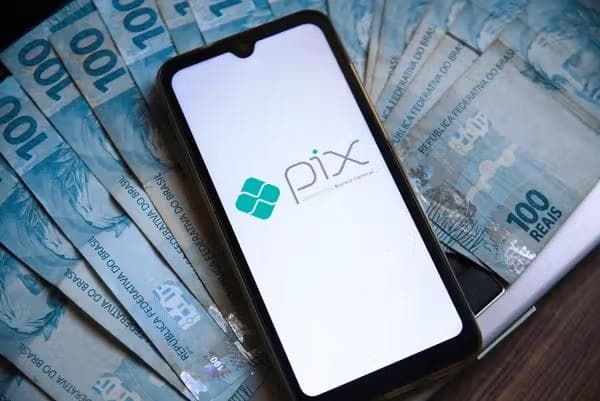
If you have visited Brazil in recent years or explored opportunities in its rapidly expanding markets, you have almost certainly heard of Pix. Launched in 2020, the system has reshaped how money moves across the country in a remarkably short period of time, displacing cash, reducing reliance on debit cards, and largely rendering traditional bank transfers obsolete. Today, Pix stands as a central pillar of Brazil’s financial infrastructure and now represents more than 90% of the total number of transactions in Brazil as of 2025, according to the Central Bank of Brazil
What is PIX?
Pix is an instant payment system developed and operated by the Central Bank of Brazil, launched in November 2020. It enables users to send and receive money in real time, 24 hours a day, seven days a week, with transactions typically settling in a matter of seconds.
Unlike traditional transfer systems such as TED or DOC—the Brazilian equivalents to ACH and Wire Transfer in the U.S. or SEPA system in Europe— Pix was designed as a modern, interoperable, and low-cost infrastructure. It facilitates seamless transactions between individuals, businesses, and government entities (you can learn more about Brazilian taxes and transaction costs here).
As of 2025, Pix has surpassed 170 million users (80% of the population) and processed transactions totaling approximately US$7.07 trillion (R$35.36 trillion) in that year alone— equivalent to 3.5x the national GDP, according to the Central Bank of Brazil —figures that place it among the most widely used instant payment systems globally.
International Reach
While Pix remains officially a domestic payment system, its functional reach is already extending beyond Brazil through partnerships and payment intermediaries.
Portugal has emerged as a key international hub, particularly in retail and tourism-heavy sectors. In Argentina, recent integrations allow Brazilian users to pay local merchants using Pix-enabled QR codes. More broadly, selective adoption has begun to appear in regions with significant Brazilian tourist traffic, typically facilitated by payment processors and currency conversion services.